 Mobile Services
 Search
The sawmill of the future – intelligent, connected, sustainable
The log yard is one of the most energy- and resource-intensive areas of a sawmill. In many operations, diesel-powered handling machines are still in use, causing high CO₂ emissions, rising operating costs and inefficient material flows. At the same time, a shortage of skilled labour, increasing energy prices and growing space requirements are putting additional pressure on existing processes.
With the "Sawmill of the Future“ concept, HOLTEC is developing a new approach to log handling. At its core is a fully electric portal crane system that replaces mobile diesel machines and organises material flow in a centralised, energy-efficient and automatable way. Complemented by digital log yard management, remote control and data-based process analysis, this creates a connected overall system that reduces emissions, stabilises processes and sustainably improves the cost-effectiveness of log handling.

The Status Quo
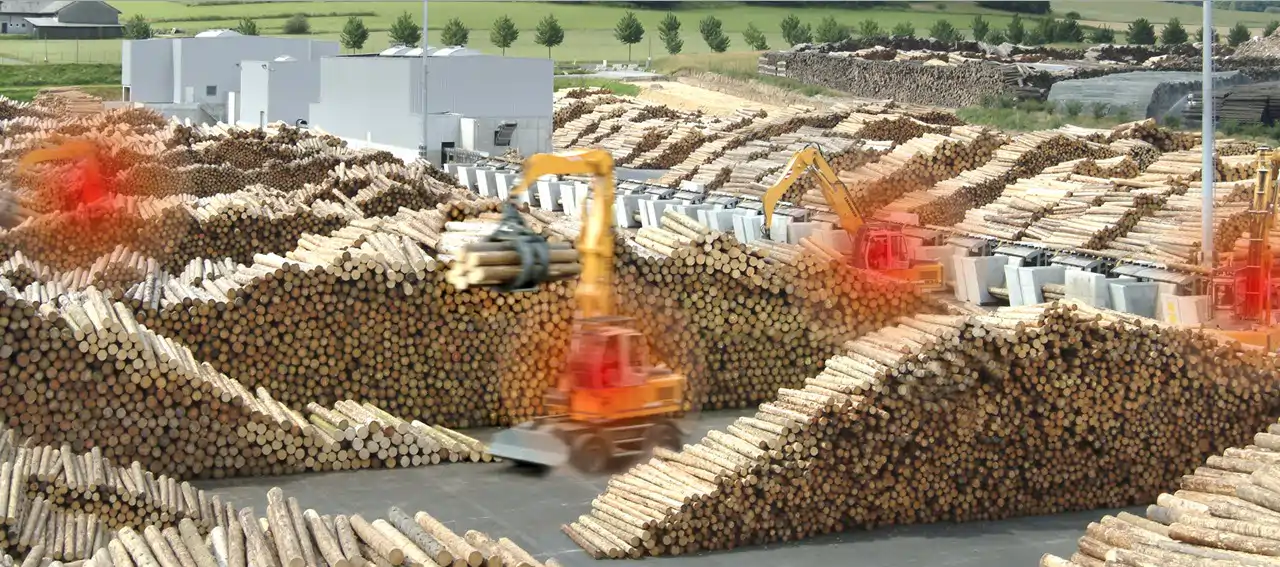
Around 95% of all large sawmills still rely on diesel-powered handling machines for log handling after sorting. Typically, three to four mobile machines are in operation at each site.
Log handling operations alone consume several hundred thousand litres of diesel per year. Over a typical log yard lifespan of 20 to 25 years, this amounts to consumption in the tens of millions of litres.
As a result, internal log handling generates significant fossil energy consumption and CO₂- emissions over the entire lifecycle of a log yard.
Further challenges
Personnel, Safety & Ergonomics:
- Skills shortage
Qualified machine operators and maintenance personnel are becoming increasingly difficult to find. Understaffing and long training periods lead to unstable processes and declining productivity.
- Working conditions
Heat, dust, noise and confined operator cabins make work on the log yard more difficult and reduce the attractiveness of these jobs for new employees.
- Workplace safety
Employee safety is becoming an increasing focus. Operational accidents are on the rise in log yards, which can lead to high costs, legal consequences and reputational risks.
Process efficiency & Cost-effectiveness:
- Fluctuating productivity
In many operations, the performance of log handling depends heavily on the experience and day-to-day condition of individual operators. This leads to efficiency losses and inconsistent process quality.
- High space requirements
Conventional log yards with mobile handling machines require large areas for driving and manoeuvring. Up to 40% of the site area is used solely for traffic routes.
- Rising operating costs
CO₂ reduction, rising energy prices as well as ESG and CSRD regulations are increasing the pressure on existing diesel-powered handling systems. At the same time, high wear and tear, intensive maintenance requirements and complex material flows are leading to rising operating and maintenance costs.
Time for new solutions
The transformation of the log yard is no longer a question for the future. Rising costs, a shortage of skilled labour and increasing sustainability requirements are reshaping the demands placed on the entire wood logistics chain.
With the "Sawmill of the Future“ concept, HOLTEC is developing a response to these changes – with the aim of making log handling more efficient, more sustainable and more people-friendly.Der Wandel auf dem Rundholzplatz ist längst keine Zukunftsfrage mehr. Steigende Kosten, Fachkräftemangel und Nachhaltigkeitsanforderungen verändern die Anforderungen an die gesamte Holzlogistik.
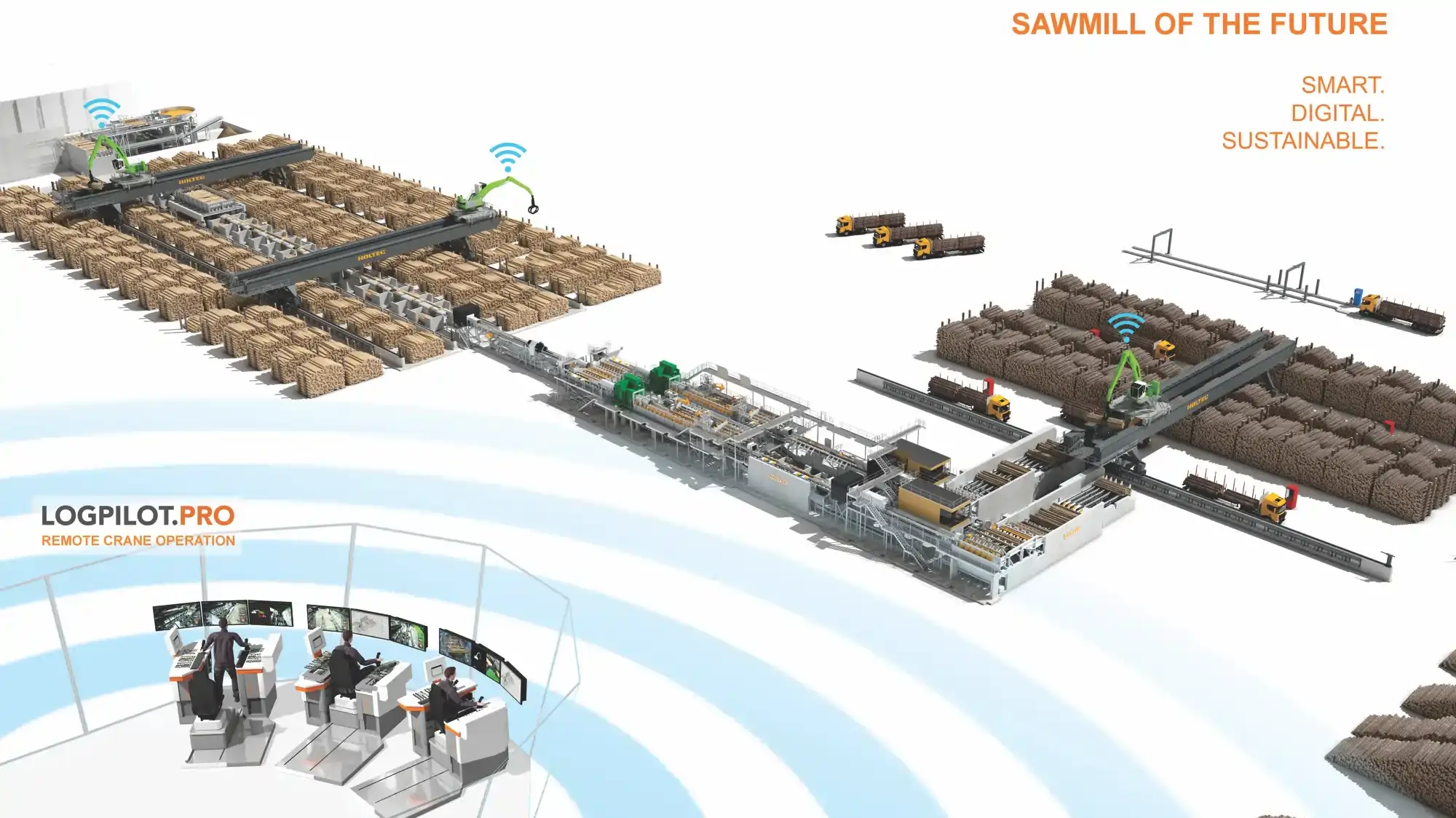
The innovative components for the sawmill of the future:
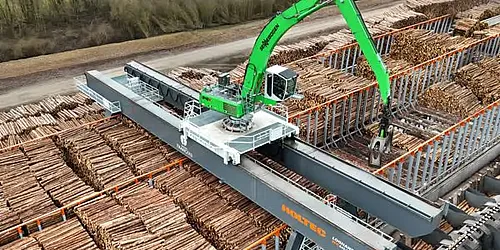
Component 1
Electric portal crane as basis VPK.LOGHANDLER
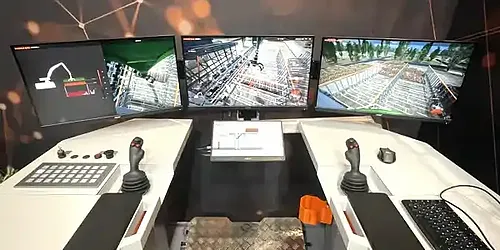
Component 2
Ergonomic remote crane control LOGPILOT.PRO
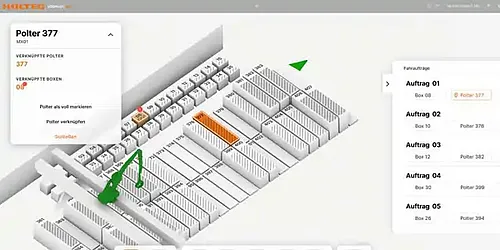
Component 3
Digital wood yard management LOG.NAVIGATOR
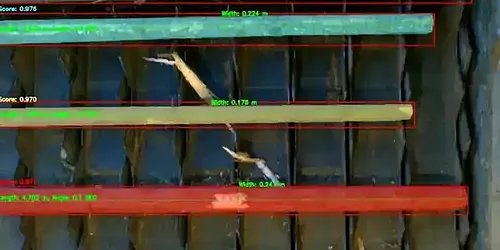
Component 4
AI supported process control EDGE.AI

